An Assembly Member for the Sheaga Electoral Area in the Talensi District, Hon. Augustine Mimi-Oni Guure, has questioned the nature and effectiveness of the corporate social responsibility agreements between mining companies and host communities in the area.
Hon. Guure specifically raised concerns about the operations of Cardinal Namdini Mining Limited and ERL International Mining Company Limited, accusing the companies of failing to adequately respond to the pressing water needs of communities affected by mining activities.
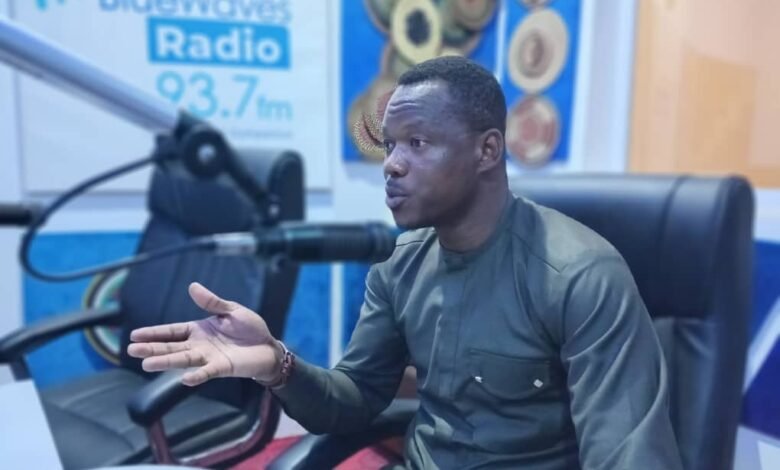
Speaking on BlueWaves Breakfast Show on Tuesday, May 19, 2026, the Assembly Member lamented the harsh conditions residents continue to endure in their search for water, revealing that some community members are forced to share water sources with animals for domestic use.
According to him, the water crisis in the Sheaga Electoral Area has persisted for years despite the abundance of natural resources and the presence of large-scale mining companies operating within the district.
“When I came into office, most sections of the electoral area were already facing serious water challenges. Some communities have old boreholes that have broken down, while others travel long distances in search of water,” he stated.
Hon. Guure disclosed that several residents depend on unsafe water sources shared with livestock for cooking, washing, and drinking, a situation he described as dangerous and unacceptable.
“You could see from the video that people are sharing water with animals for domestic purposes. Looking at the natural resources we have in this district, it is unfortunate that our people are still struggling to access clean drinking water,” he lamented.
The Assembly Member further questioned why communities located in mining areas continue to struggle for access to potable water while mining companies depend heavily on water resources for their operations.
According to him, water used by Cardinal Namdini Mining for processing ore into gold is sourced from areas within the Sheaga lands, yet nearby communities continue to suffer severe shortages.
“If water is what you are using to process your ore into gold, and the people only need water to drink, then there should be empathy. It would not even take five percent of some of these companies’ corporate social responsibility budgets to drill a number of boreholes for these communities,” he argued.
Hon. Guure also revealed that he had written several letters to the mining companies concerning the water challenges facing communities in the electoral area but claimed he had not received any response from them.
According to him, repeated appeals and engagements with the companies over the years have yielded little or no action, despite the worsening conditions confronting residents.
He challenged the mining firms to publicly disclose their corporate social responsibility budgets, insisting that the current conditions in affected communities do not reflect the presence of meaningful social investment.
He expressed disappointment that residents in mining communities are still fighting for basic necessities such as boreholes instead of discussing larger development projects like libraries, recreational centres, and alternative livelihood programmes for women and youth whose farmlands and sources of income have been affected by mining operations.
“We should have moved beyond talking about boreholes by now. Communities affected by mining should be benefiting from major social amenities and empowerment programmes, especially when people’s livelihoods have been taken away,” he stressed.
The Assembly Member further questioned why communities that voluntarily released their lands for mining activities are still struggling to access clean water.
“Why are the people of Sheaga still sharing water with animals? Why are communities fighting over water despite hosting mining companies on their lands?” he asked.
Hon. Guure, however, commended the Talensi District Assembly for efforts made so far in providing some boreholes to communities within the electoral area. He noted, however, that the interventions remain inadequate considering the scale of the problem.
He therefore appealed to NGOs, philanthropists, government agencies, and mining companies to urgently invest in sustainable water projects and other developmental initiatives to improve living conditions in the affected communities.
The worsening water situation in parts of the Upper East Region continues to raise concerns among residents, particularly during the dry season when several water sources dry up, exposing communities to health risks and social tensions.
Source: BlueWaves Radio | Maurice Duncan | Bolgatanga