
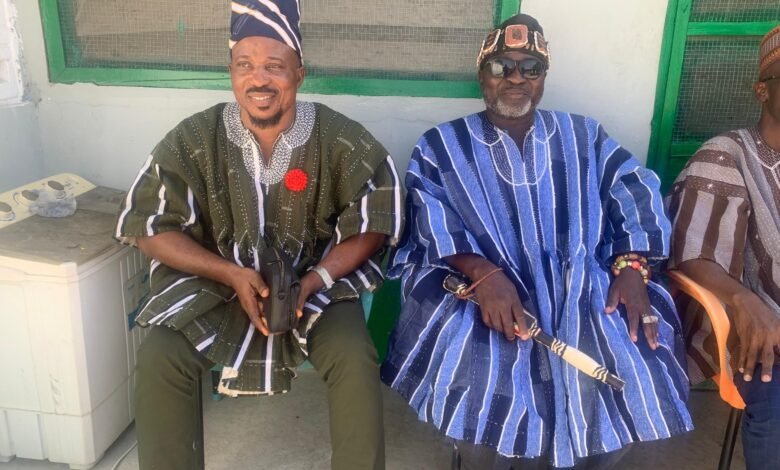
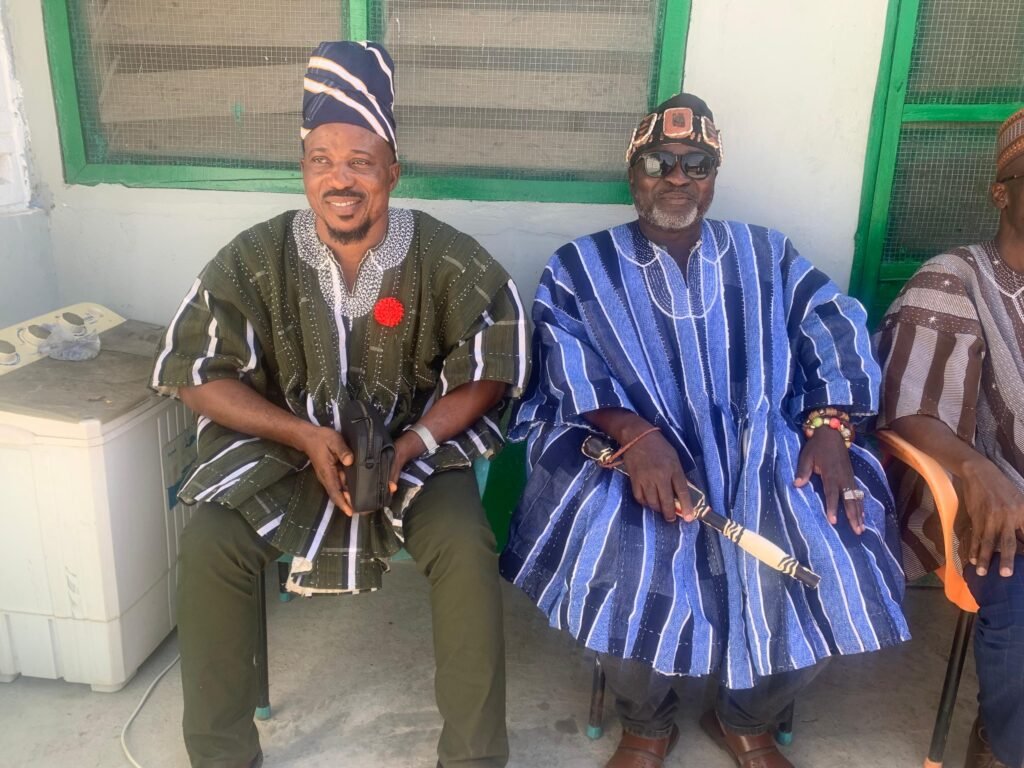
The Traditional Council of Bole temporarily placed a customary embargo on the burial rites of the late mother of the Deputy Chief Executive Officer of the National Health Insurance Scheme (NHIS), in strict adherence to long-established traditional protocols.
According to sources close to the traditional authorities, the embargo was imposed to allow the bereaved family to first fulfil the requisite customary obligations demanded by tradition. These rites, which are deeply rooted in the customs of the Gonja and Kasena people, are considered essential in upholding ancestral laws and maintaining harmony between the two ethnic groups.
The burial was only permitted to proceed after the family had fully complied with the traditional requirements and received the blessing of the chiefs of Bole. The decision, traditional leaders explained, was not punitive but rather a reaffirmation of respect for customs that have guided inter-ethnic relations for generations.
This practice forms part of the long-standing bond between the Gonja and Kasena peoples, who are traditionally regarded as “playmates”—a relationship that promotes mutual respect, unity, and peaceful coexistence, especially during significant occasions such as funerals, festivals, and royal gatherings.
In keeping with this spirit of ancestral brotherhood, the tradition demands reciprocity. Whenever the Kasena pay homage to the Gonja in accordance with custom, the Gonja are equally obliged to reciprocate when similar occasions arise. This mutual exchange of respect serves as a symbol of equality, friendship, and shared heritage.
Traditional authorities emphasize that such customs are vital to preserving cultural identity and ensuring the continuity of values passed down from their forebears. By observing these rites, both communities reaffirm their commitment to tradition, strengthen inter-ethnic ties, and safeguard the cultural legacy entrusted to them by their ancestors.
Source: BlueWaves Radio 93.7 mhz/ Maurice Duncan