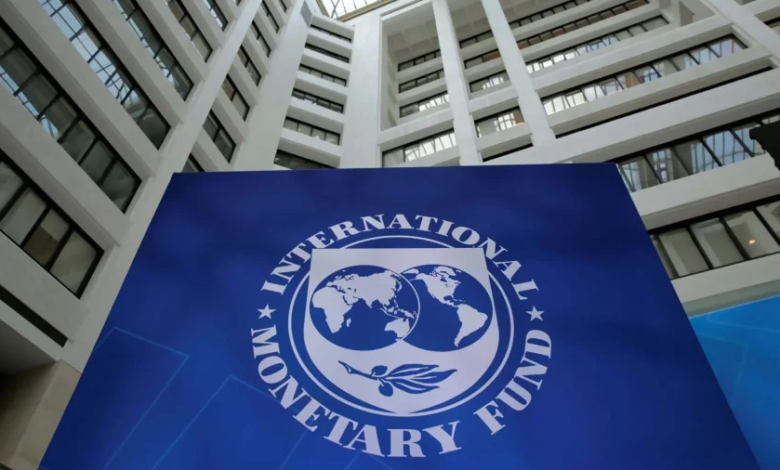
The International Monetary Fund (IMF) has indicated its willingness to renegotiate Ghana’s $3 billion financing program with the incoming administration, led by President-elect John Dramani Mahama. This openness to discussion is contingent on the government’s commitment to implementing necessary economic reforms aimed at stabilizing the country’s economy.
Context of the Financing Program
Ghana sought assistance from the IMF as its debt levels soared, reaching nearly 100% of GDP by the end of 2022. The country embarked on a debt restructuring process and entered into an Extended Credit Facility (ECF) arrangement with the IMF, which aims to restore macroeconomic stability and ensure debt sustainability while fostering inclusive growth. The IMF has emphasized that any adjustments to the financing program must align with the overarching goals of these reforms.
Importance of Reforms
A spokesperson for the IMF stated that “IMF-supported programs are developed collaboratively with each country’s authorities,” highlighting the importance of maintaining achievable economic objectives. The IMF’s focus remains on supporting Ghana in its efforts to stabilize its economy and manage its debt effectively. As Mahama prepares to take office, he has expressed intentions to align his government’s budget with the IMF program while also seeking ways to implement necessary reforms without derailing progress.
Economic Challenges Ahead
The recent elections reflected public dissatisfaction with rising living costs and economic management under the previous administration. Mahama’s victory, characterized by a significant margin, underscores the urgency for effective governance and economic recovery strategies. Analysts suggest that while renegotiating the IMF deal could provide flexibility for Mahama’s administration, it must be done carefully to ensure that it does not compromise the economic objectives set forth by the IMF.
Future Outlook
As discussions between Ghana’s new government and the IMF commence, stakeholders are closely monitoring how these negotiations will unfold. The success of any renegotiation will depend on the government’s ability to balance immediate economic relief measures with long-term fiscal responsibility. The IMF’s support will be crucial as Ghana navigates these challenges in its quest for sustainable economic growth and stability.In summary, Ghana’s potential renegotiation of its IMF financing program represents a critical juncture for the nation as it seeks to address pressing economic issues while adhering to reform commitments essential for securing international support.