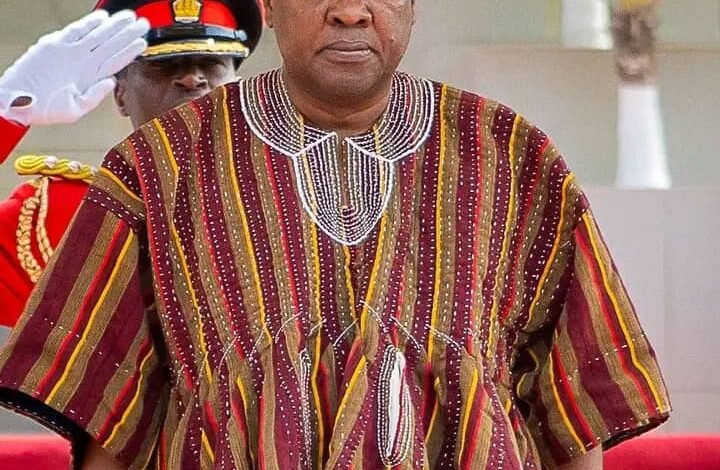
In his 2026 State of the Nation Address (SONA) delivered on Friday, February 27, 2026, President John Dramani Mahama brought renewed hope to the people of the Upper East Region by highlighting plans to revive the long-defunct Zuarungu Meat Factory — a project that carries both historical significance and modern economic promise.
From Rusted Shell to Industrial Revival
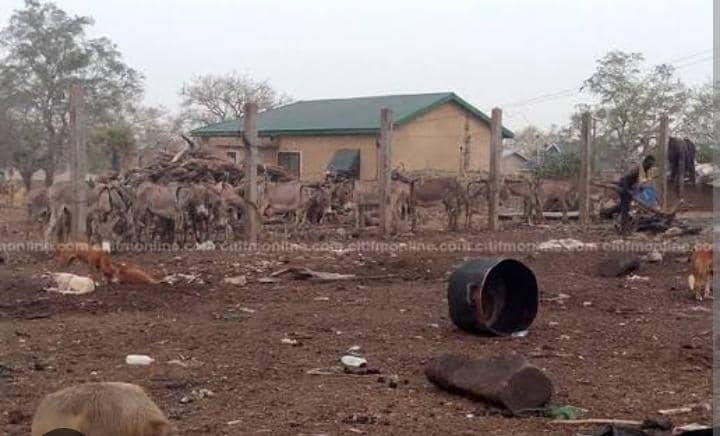
Once established in the 1960s by Ghana’s first president, *Dr. Kwame Nkrumah, the *Zuarungu Meat Factory was envisioned as a dynamic processing hub that would add value to locally raised cattle and support domestic meat production. However, like many industrial ventures of that era, it fell into disuse and was closed down for decades, its machinery left to rust and its promise unfulfilled.
During the SONA, President Mahama reaffirmed his administration’s commitment to reviving key state enterprises, with Zuarungu’s meat processing plant featuring prominently among them. “We are in the process of sourcing strategic investors to operationalise… the Zuarungu Meat Factory,” he told Parliament, placing the project within a broader industrial transformation framework aimed at boosting agro-processing and job creation.
Why Reviving Zuarungu Matters
For residents of the Upper East, the revival isn’t just about reactivating an idle factory — it’s about jobs, food security, and local economic empowerment. The region is known for its livestock production, yet Ghana remains heavily reliant on imported meat. Restoring the meat factory could help reduce this dependency, create jobs along the value chain, and support cattle farmers by offering reliable local demand.
For decades, the factory stood as a symbol of unrealised potential — one that community leaders and policymakers have cited as a missed opportunity for regional development. Its revival now represents both a nod to history and a strategic step toward future prosperity.
Challenges and Opportunities Ahead
Bringing the Zuarungu Meat Factory back to life won’t be without its challenges. Substantial investment will be needed to modernise infrastructure, replace outdated machinery, and integrate the facility into current agro-industry value chains. However, the political commitment shown in the SONA signals a shift toward leveraging historical assets for modern industrial growth.
If successful, the project could become a model for industrial revitalisation — one that not only honors Ghana’s industrial heritage but also responds to present-day economic needs.
Source: Bluewaves Radio 93.7mhz|Maurice Duncan