
RISE-Ghana Evaluation Exposes Gaps in Bolgatanga East District’s Health Referral System
By Fauzia Abitor Haruna
BOLGATANGA, October 16, 2026 — An evaluation of the health referral system in the Bolgatanga East District of the Upper East Region has revealed significant challenges with emergency patient transportation and communication between health facilities, raising concerns about the effectiveness of referral services in the district.
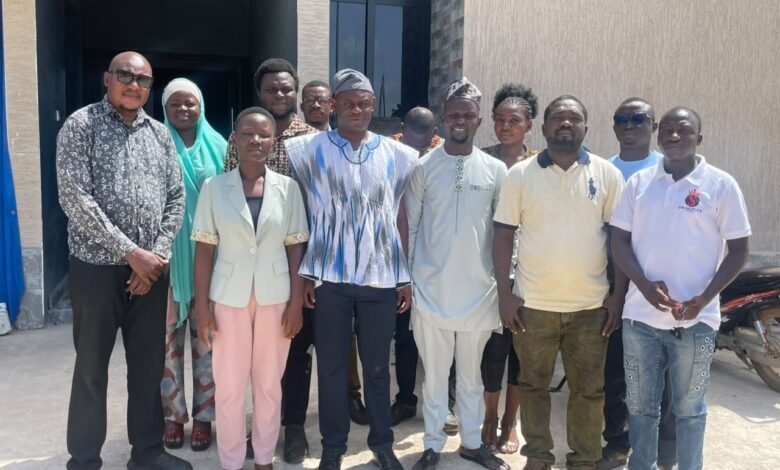
The findings, presented during a media dissemination meeting on health and governance sector evaluation organised by Rural Initiatives for Self-Empowerment Ghana (RISE-Ghana) in Bolgatanga on Friday, October 16, 2026, highlighted gaps in emergency transport availability and communication between referring facilities and those receiving patients.
The evaluation was conducted under the Evidence for Development (E4D) project, supported by the Ghana Center for Democratic Development (CDD-Ghana), with funding from the William and Flora Hewlett Foundation.
Presenting the health sector findings, RISE-Ghana’s Executive Director, Mr. Awal Ahmed Kariyama, said the assessment had identified weaknesses in referral communication and the transportation of patients requiring further medical attention.
According to the findings, 395 referrals were recorded from Zuarungu to the Bolgatanga Regional Hospital in 2025. However, only 15 patients used the emergency transport system, while approximately 380 relied on privately arranged means of transportation.
The figures highlight the extent to which patients depended on alternative transport arrangements to access higher-level healthcare services.
The assessment also found that only one of the district’s four emergency transport systems was functioning, a situation that could constrain the timely transfer of patients requiring urgent medical attention.
Beyond transportation challenges, the evaluation identified weaknesses in communication and feedback between health facilities involved in the referral process.
Mr. Kariyama said the assessment found that many facilities lacked effective communication channels to ensure that information about referred patients was shared between the sending and receiving facilities.
He said: “And we also realized that majority of the health facilities do not have the necessary feedback and communication routes between people who are transferred and the facilities they are transferred to.”
The absence of effective communication and feedback mechanisms can make it difficult for referring facilities to track patients after transfer and establish whether they have received the necessary care.
Mr. Kariyama cited the referral figures for 2025 to illustrate the reliance on privately arranged transportation.
“Last year, 395 referrals were made, that is from Zuarungu to Bolga Regional Hospital. Most of the people, about 380 people, used private means,” he said.
The findings underscore the need to strengthen referral coordination, improve emergency transportation and establish effective communication mechanisms between health facilities.
Health Directorate Commits to Strengthening Referral Services
Responding to the concerns, the relevant health directorate expressed commitment to working towards improvements in the referral system, including the development of standard operating procedures and guidelines to guide referrals.
Mr. Kariyama said feedback from the evaluation was being shared with the health directorate to support action on the identified gaps.
He indicated that the directorate had committed to establishing clearer procedures for referrals and engaging the Bolgatanga Regional Hospital to strengthen coordination and communication between facilities.
The proposed measures also include exploring ways to mobilise community support and increase resources for emergency transportation.
These commitments are expected to provide a basis for improving patient transfers and strengthening collaboration among health facilities, although their implementation will be important in determining the extent of improvement in referral services.
Call for Improved Coordination and Emergency Transport
The evaluation highlights the importance of ensuring that patients referred from lower-level facilities can access timely transportation and that health workers can communicate effectively with receiving facilities.
A functional referral system is essential to continuity of care, particularly for patients whose conditions require services beyond the capacity of the facilities where they initially seek treatment.
Strengthening emergency transport arrangements, establishing clear referral procedures and improving communication between facilities could help address some of the challenges identified by the assessment.
The findings also point to the need for sustained collaboration between health authorities, health facilities and communities to ensure that patients receive appropriate care following referral.
RISE-Ghana’s engagement with journalists forms part of efforts to communicate evidence from the health and governance sector evaluation and encourage public discussion on improving service delivery and accountability.
The Evidence for Development project seeks to strengthen the use of evidence in decision-making and development planning at the district level.
Through the evaluation, RISE-Ghana and its partners are drawing attention to gaps requiring attention and encouraging stakeholders to use the findings to inform practical responses to challenges affecting healthcare delivery in Bolgatanga East District and possibly, other districts in Ghana.
Source: Mybluewavesonline.Com| Maurice Duncan|Bolgatanga