Bolgatanga, Upper East Region — September 3, 2026
The Navrongo-Bolgatanga Catholic Diocese Organisation (NABOCADO) has organised a one-day training workshop for journalists aimed at strengthening their capacity to report on conflicts responsibly without escalating tensions.
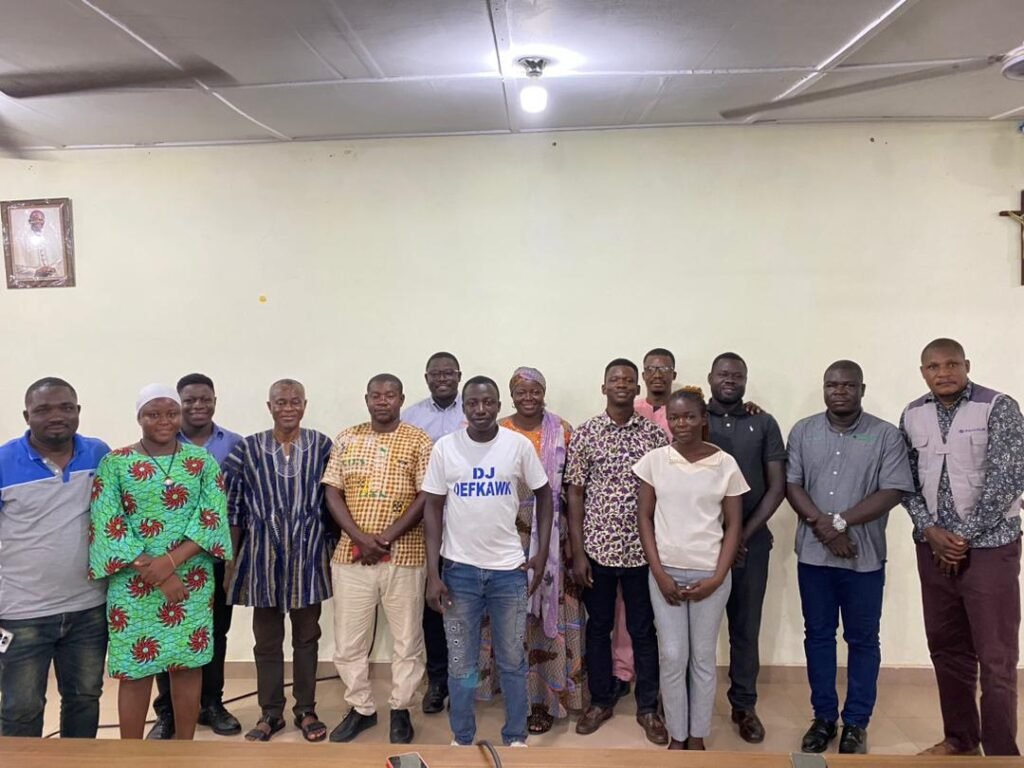
The training, held on September 1, 2026, focused on conflict-sensitive journalism and the critical role of the media in promoting peace, reconciliation, social cohesion and trust in conflict-affected communities.
The initiative forms part of the Diocese’s broader efforts to equip journalists with the knowledge and skills required to improve conflict reporting and contribute to sustainable peacebuilding within the Navrongo-Bolgatanga Diocese.
The programme is being supported by KZE/Misereor Germany under the Peacebuilding for Improved Food and Nutrition Supply Project, which seeks to reduce violent conflicts and strengthen social cohesion in selected communities within the Diocese.
The project is being implemented in four districts: Bawku Municipality and Kassena-Nankana West District in the Upper East Region, and Bunkpurugu-Nakpanduri and Yunyoo-Nasuan districts in the North East Region.
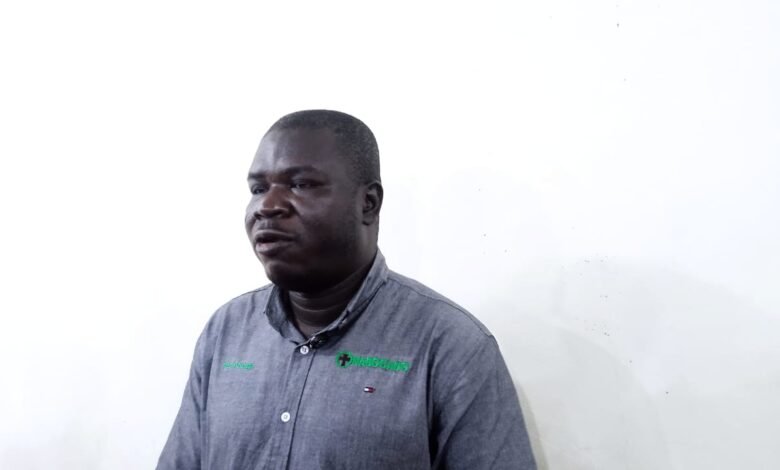
Speaking in an interview, the Project Director for Peace and Humanitarian Response, Mr Abolga Theophilus, identified land and chieftaincy disputes as some of the major sources of conflict within the Diocese.
He acknowledged that although the area may not record the highest number of conflicts nationally, the violent nature of some of the disputes makes responsible media coverage particularly important.
“We may not have the highest number of conflicts in the country, but we have had a significant number of violent conflicts, and that makes conflict-sensitive reporting very important,” he said.
Mr Theophilus cautioned journalists against reportage that could inflame already tense situations, stressing that the media has a crucial role to play in either escalating conflicts or helping communities find peaceful solutions.
“As journalists, you have a very important role to play in peacebuilding. The way you report a conflict can either escalate the situation or help bring people together,” he noted.
He urged journalists to go beyond reporting the destructive aspects of conflicts and give attention to efforts aimed at dialogue, reconciliation and peaceful resolution.
According to him, reporting on peace initiatives and the efforts of communities and stakeholders to resolve disputes could help build public confidence and encourage peaceful coexistence.
“We want the media to not only report that there is a conflict, but also to show that within every conflict, there are efforts to resolve it, reconcile the parties and promote peace.”
Mr Theophilus further described journalists as important partners in the fight to restore trust and strengthen social cohesion in communities affected by conflict.
“We see journalists as important partners in building trust and social cohesion. Your platforms can help communities understand one another and support peaceful ways of resolving disputes.”
He encouraged journalists to consistently highlight initiatives aimed at preventing violence and resolving disputes, stressing that such reporting could make a significant contribution to peacebuilding.
The training exposed participants to the principles and practical approaches of conflict-sensitive journalism, with particular emphasis on the responsibilities of the media when reporting on land disputes, chieftaincy conflicts and other sensitive community issues.
The organisers expressed the hope that journalists who participated in the workshop would apply the knowledge and skills gained to their day-to-day reporting, helping to prevent the escalation of conflicts while promoting dialogue, peaceful coexistence and stronger social cohesion across beneficiary communities.
Source: Mybluewavesonline.com Fauzia Haruna| Bolgatanga
communities.