
UE: SOCt
The Gulf of Guinea Northern Regions Social Cohesion (SOCO) Project has reaffirmed its commitment to supporting development initiatives in the Bolgatanga East District following the completion and commissioning of two Community-based Health Planning and Services (CHPS) compounds at Dubila and Pologo.
The facilities, which are expected to improve access to essential healthcare services in the beneficiary communities, were officially commissioned by the District Chief Executive (DCE) for Bolgatanga East, Hon. Jacob Abugre Aka-Eri, together with the SOCO Project Zonal Coordinator, Mr Samuel Agyarko Larbi, and the District Health Director, Madam Maria Mahama.
A major highlight of the intervention is the completion of the CHPS compound at Dubila, which had remained abandoned for several years after construction commenced around 2013.
The project reportedly stalled due to funding constraints, leaving residents without the intended healthcare infrastructure for an extended period.
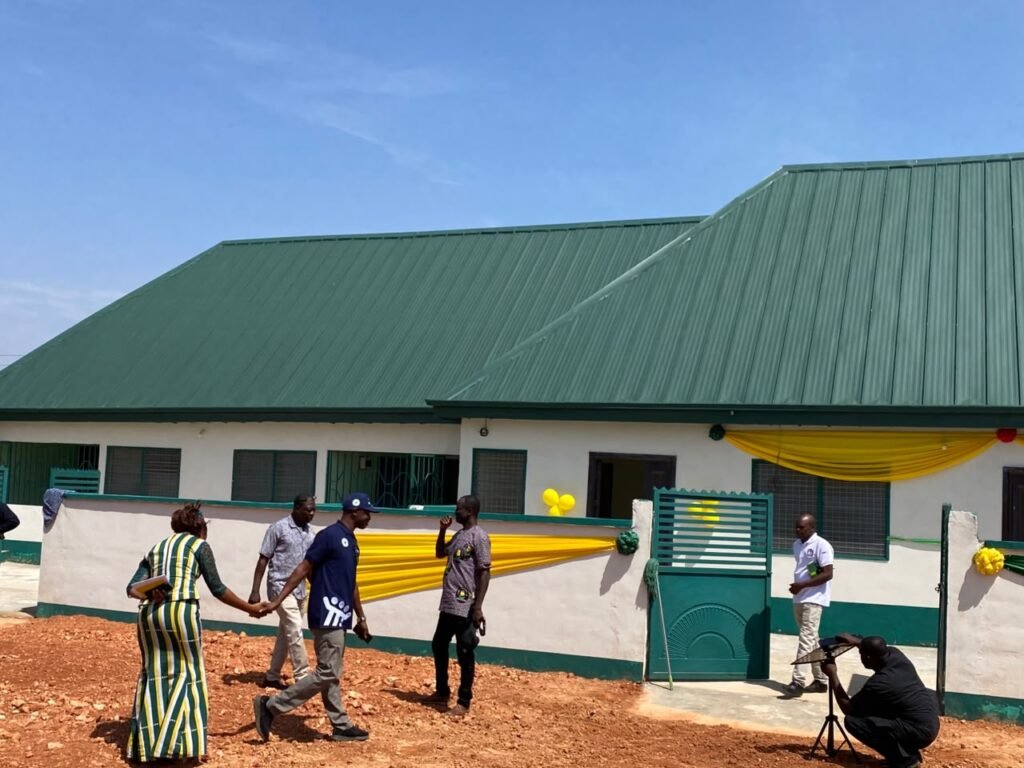
However, through the intervention of the SOCO Project, the facility received the necessary support for completion, bringing renewed hope to residents who have waited for years to benefit from improved access to healthcare.
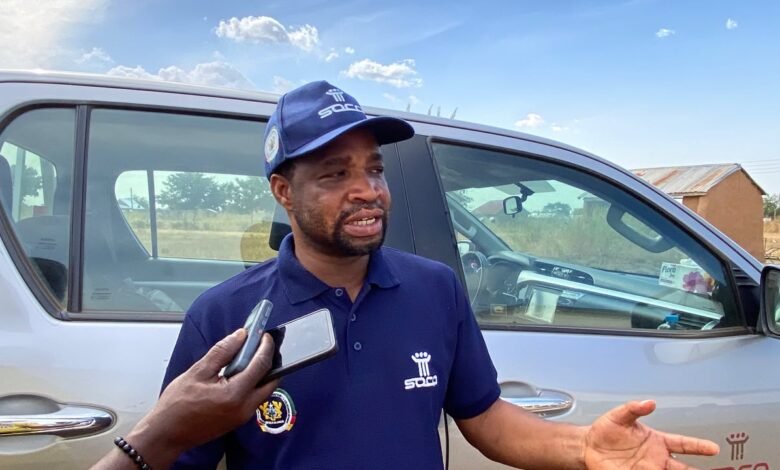
Speaking during the commissioning ceremonies, Mr Samuel Agyarko Larbi, Zonal Coordinator of the SOCO Project, emphasised the project’s commitment to supporting development interventions that directly improve the living conditions of communities across its operational areas.
He noted that the completion of the Dubila facility demonstrates the importance of targeted development interventions and partnerships in addressing longstanding infrastructure challenges, particularly in communities where critical projects have been abandoned due to financial difficulties.
Mr Larbi assured the Bolgatanga East District of the SOCO Project’s continued support, indicating that the project remains committed to working with local authorities and communities to advance development and strengthen social services.
He, however, called on residents of Dubila and Pologo to take ownership of the newly commissioned facilities and ensure that they are properly maintained to serve their intended purposes.
According to him, community ownership and responsibility are essential to sustaining development projects, stressing that the facilities must be protected and maintained so that present and future generations can benefit from them.
He further encouraged community members to cooperate with health professionals and support efforts aimed at improving healthcare delivery at the grassroots level.
The District Chief Executive, Hon. Jacob Abugre Aka-Eri, also welcomed the intervention, describing the two facilities as important additions to the district’s healthcare infrastructure.
He indicated that the CHPS compounds would bring healthcare services closer to residents, reduce the difficulties associated with travelling long distances to access basic medical attention and improve the delivery of primary healthcare.
The DCE urged residents to make effective use of the facilities and take good care of the infrastructure to ensure its sustainability.
He further noted that the facilities would contribute to the government’s efforts to strengthen primary healthcare delivery, particularly under the Free Primary Healthcare Initiative, by improving access to essential health services at the community level.
The District Health Director, Madam Maria Mahama, was also part of the commissioning exercise, highlighting the importance of community-level health infrastructure in strengthening healthcare delivery.
SOCO’s Role in Community Development
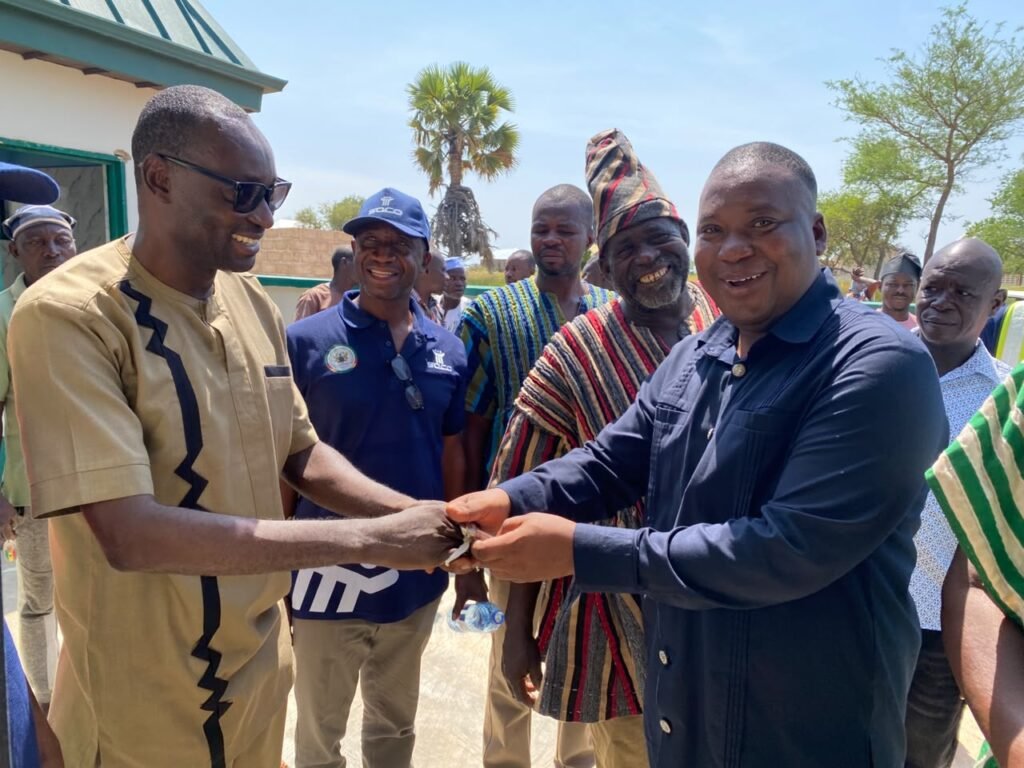
The commissioning of the two CHPS compounds underscores the importance of the SOCO Project’s interventions in addressing critical development needs within beneficiary communities.
Beyond the provision of infrastructure, such interventions are intended to strengthen access to essential social services, improve community well-being and promote inclusive development.
For residents of Dubila, the completion of a project that had remained stalled since approximately 2013 represents a significant milestone and a renewed opportunity to access healthcare services closer to home.
With the facilities now commissioned, attention is expected to shift towards their effective utilisation, proper maintenance and the provision of the necessary healthcare personnel and resources to ensure that residents receive quality healthcare.
The intervention further demonstrates how sustained partnerships between development projects, local authorities and beneficiary communities can help address infrastructure gaps and improve living conditions in underserved areas.
Source: Mybluewavesonline.Com/ Maurice Duncan/ Bolgatanga