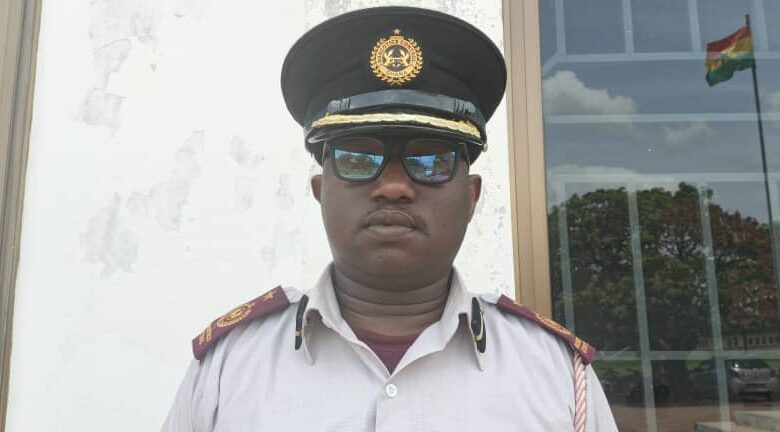
The Upper East Regional Commander of the Narcotics Control Commission (NACOC), Mr. Saeed Abdul-Aziz, has expressed concern over the inadequate resources available to the Commission, stating that the situation is hampering efforts to combat illicit drug trafficking and substance abuse, particularly among students in Senior High Schools (SHSs) across the region.
Speaking during a seminar organized by Narcotics Control Commission for school counselors aimed at addressing the growing menace of illicit drug use and substance abuse in second-cycle institutions, Mr. Abdul-Aziz emphasized the critical role of education and sensitization in preventing drug-related activities among young people.
According to him, the Commission’s ability to carry out routine operations and public education campaigns has been significantly affected by a shortage of logistics and operational resources.
“The fight against illicit drugs requires constant engagement with communities and schools. Unfortunately, inadequate resources, including vehicles, motorbikes and other operational logistics, are making it difficult for us to effectively reach schools and conduct regular sensitization programmes,” Mr. Abdul-Aziz stated.
He further noted that the Upper East Region’s location along Ghana’s northern border presents unique security challenges, making it necessary for officers to intensify surveillance and monitoring activities.
“Our porous borders make the region vulnerable to the movement of illicit substances. Without adequate logistics and resources, our efforts to monitor these areas and carry out enforcement operations become extremely challenging,” he added.
The seminar brought together school counselors from various educational institutions to discuss practical measures aimed at reducing drug abuse among students and finding lasting solutions to the recurring incidents of indiscipline and riots in some Senior High Schools.
Mr. Abdul-Aziz stressed that school counselors serve as the first line of support for students facing emotional, psychological and social challenges, and therefore play a vital role in identifying and addressing substance abuse at an early stage.
“Counselors are key stakeholders in the fight against drug abuse. Through guidance, counseling and early intervention, they can help students make informed decisions and avoid behaviours that could jeopardize their future,” he said.
Also speaking to the media, Deputy Regional Director of the Ghana Education Service (GES) in the Upper East Region, Mr. John Anku, described the fight against illicit drug use in schools as a shared responsibility that requires the collective efforts of parents, teachers, security agencies, religious bodies and corporate organizations.
“Addressing drug abuse among students cannot be left to schools alone. It requires a collective commitment from parents, teachers, community leaders, civil society organizations and all stakeholders to protect our young people,” Mr. Anku stated.
He expressed concern over emerging trends where students are increasingly consuming drug-infused products disguised as ordinary food and beverages.
“Some students are now turning to substances concealed in biscuits, toffees, sobolo, energy drinks and other consumable products. Many of these items contain harmful substances that pose serious risks to their health, academic performance and overall wellbeing,” he cautioned.
Mr. Anku urged parents to pay close attention to the habits and activities of their children, while encouraging schools to strengthen counseling services and intensify awareness creation on the dangers associated with substance abuse.
The seminar forms part of ongoing efforts by the Narcotics Control Commission and the Ghana Education Service to promote drug-free learning environments and equip school counselors with the knowledge and skills needed to support students effectively.
Source: MyBlueWavesonlin.com | Maurice Duncan | Bolgatanga