Illegal payments within Ghana’s National Health Insurance Scheme (NHIS) continue to undermine public trust and limit access to essential healthcare, particularly for vulnerable populations. While often attributed to a few individuals, experts say the problem is far more systemic—rooted in weak oversight, limited public awareness, and gaps in reporting and accountability.
However, stakeholders in the health sector insist that the situation is not beyond repair. With coordinated action involving patients, healthcare providers, community leaders, and regulators, the practice of unauthorized charges can be significantly reduced—if not eliminated.
Alhassan Abubakari Suwaidu, Public Relations Manager of the National Health Insurance Authority (NHIA) in the Upper East Region, outlines a comprehensive and practical approach to addressing the challenge.
At the heart of the issue lies a simple reality: many patients are unaware of what services they are entitled to under the NHIS. According to Mr. Suwaidu, this knowledge gap creates an opportunity for exploitation. He emphasizes the need for health facilities to clearly display information on NHIS-covered services as well as those that legitimately require co-payment. Beyond facility walls, he advocates for sustained public education through local language radio programmes and community engagements to empower citizens with the right information.
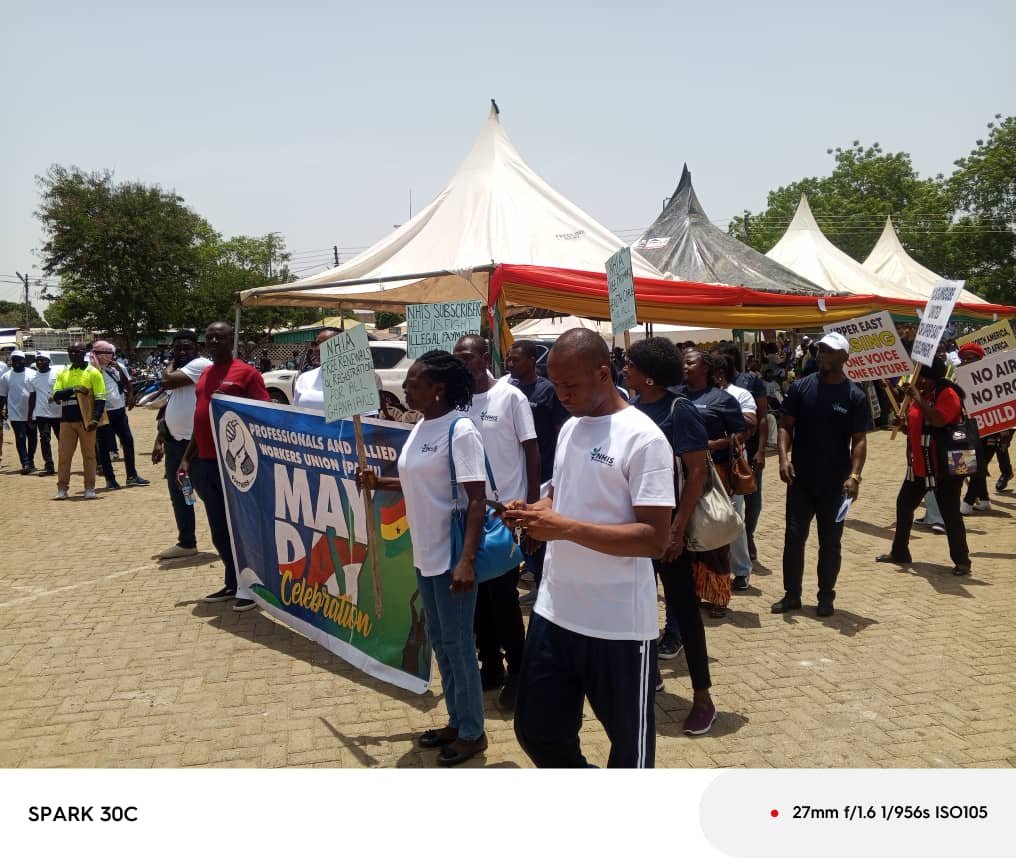
Equally critical is the need to strengthen reporting systems. Victims of illegal charges often remain silent due to fear of victimization or lack of trust in the complaint process. To address this, Mr. Suwaidu proposes the introduction of anonymous reporting channels, including SMS platforms, WhatsApp lines, and suggestion boxes at health facilities. He also calls for the widespread promotion of NHIS hotlines and collaboration with civil society organizations to independently collect and escalate complaints.
Another key reform area is the digitization of payments and records. Cash-based transactions, he notes, remain one of the biggest loopholes enabling unauthorized charges. Transitioning to electronic payment systems, issuing digital receipts linked to NHIS claims, and deploying audit trails to detect irregular billing patterns could significantly enhance transparency and accountability within the system.
Monitoring and enforcement must also be stepped up. Mr. Suwaidu recommends periodic unannounced audits and the use of “mystery patients” to assess real-time experiences at health facilities. Such measures, when combined with data analysis comparing patient reports and facility billing records, can help expose and deter malpractice.
However, identifying wrongdoing is only part of the solution. Ensuring accountability is equally important. He stresses the need for clear sanctions against facilities or staff found engaging in illegal charges, alongside public disclosure of enforcement actions to rebuild public confidence. At the same time, he suggests introducing incentives for facilities that consistently comply with NHIS guidelines.
Community involvement is another powerful tool in the fight against illegal payments. Traditional authorities, assembly members, and local opinion leaders can play a vital role in shaping public attitudes. By openly condemning extortion and encouraging reporting, they can help reinforce ethical standards and support compliant healthcare providers.
Finally, Mr. Suwaidu underscores the importance of collaboration with the NHIA and other relevant institutions. Sharing community-level data on illegal payments and advocating for policy reforms—such as improved provider vetting and timely claims reimbursement—can address some of the underlying pressures that lead facilities to impose unauthorized fees.
As Ghana continues its pursuit of universal health coverage, addressing illegal charges within the NHIS remains a critical priority. Stakeholders agree that with sustained commitment, transparency, and collective action, the system can be strengthened to serve all citizens fairly and effectively.
The message is clear: protecting patients and restoring trust in the NHIS is not just the responsibility of authorities—it is a shared duty that requires vigilance, cooperation, and accountability at every level of society.
Source: BlueWaves Radio / Maurice Duncan / Bolgatanga