
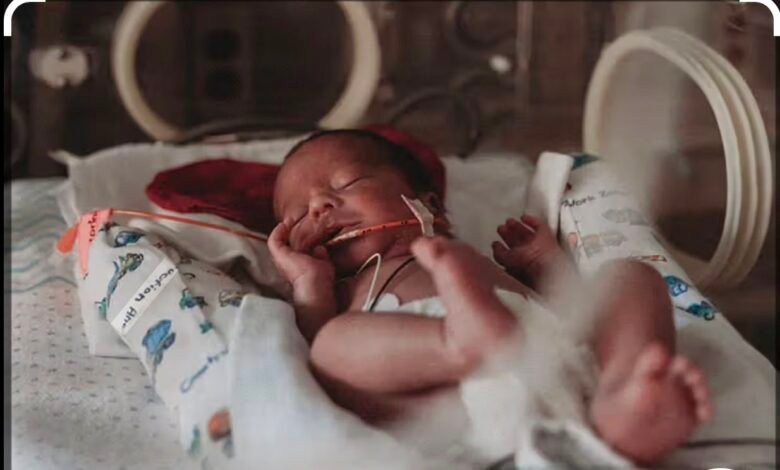
A health professional at the Tongo District Hospital, Mr. Stephen Atindana Abane, has called on the public to pay greater attention to birth asphyxia, a serious newborn condition that can lead to permanent disability or death if not promptly identified and managed.
Speaking on the BlueWaves Radio Breakfast Show, Mr. Abane urged expectant mothers, families and the general public to take birth asphyxia seriously and support efforts to create greater awareness of the condition.
The call comes as September is observed as Birth Asphyxia Awareness Month, an initiative aimed at increasing public understanding of the condition, its warning signs, consequences and the importance of timely intervention.
What is Birth Asphyxia?
Birth asphyxia occurs when a newborn does not receive enough oxygen before, during or immediately after delivery. When oxygen deprivation is prolonged or severe, it can cause serious damage to vital organs, particularly the brain.
In severe cases, oxygen deprivation can result in hypoxic-ischaemic encephalopathy (HIE), a form of brain injury caused by insufficient oxygen and blood flow to the brain.
The condition can manifest through difficulty breathing, failure to cry at birth, poor muscle tone and other signs requiring immediate medical attention.
Serious Consequences
Health experts warn that birth asphyxia can have devastating consequences for affected newborns and their families.
Prolonged oxygen deprivation may result in brain injury, seizures, developmental difficulties, hearing or vision impairment and, in severe cases, cerebral palsy. It can also affect other vital organs, including the kidneys, heart and lungs.
In the most severe cases, birth asphyxia can lead to newborn death.
Beyond the immediate health consequences, children who survive severe birth asphyxia may require long-term medical care, rehabilitation and specialised educational support, placing an emotional and financial burden on families.
Birth Asphyxia in the Upper East Region
Data from the Talensi District Hospital Neonatal Intensive Care Unit (NICU) highlights the seriousness of the condition in the region.
According to a three-year cumulative dataset covering 2023 to 2025, birth asphyxia accounted for 22.9% of admissions to the unit and was associated with 72% of total deaths recorded in the NICU.
The figures point to the significant contribution of birth asphyxia to newborn mortality and reinforce the need for stronger preventive and emergency interventions.
Similarly, an audit of neonatal deaths conducted at the Regional Hospital in 2023 found that birth asphyxia was responsible for 63% of the recorded neonatal deaths.
Prevention and Early Intervention
Many cases of birth asphyxia can be prevented or their consequences reduced through quality antenatal care, skilled attendance at delivery, proper monitoring of mothers and babies during labour, early identification of fetal distress and immediate newborn resuscitation when required.
Health facilities also need adequately trained personnel and the necessary equipment to respond promptly to newborn emergencies.
As Birth Asphyxia Awareness Month is observed throughout September, health professionals are encouraging pregnant women and their families to attend antenatal care regularly and ensure that deliveries are conducted under the supervision of skilled health professionals.
Source: Mybluewavesradionline.com/ Maurice Duncan/upper East